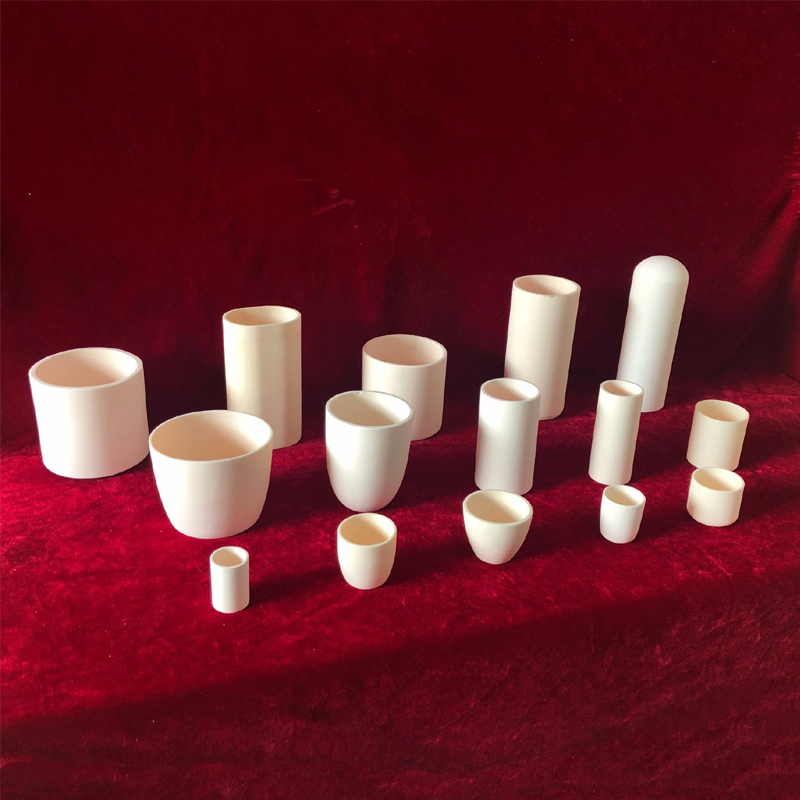
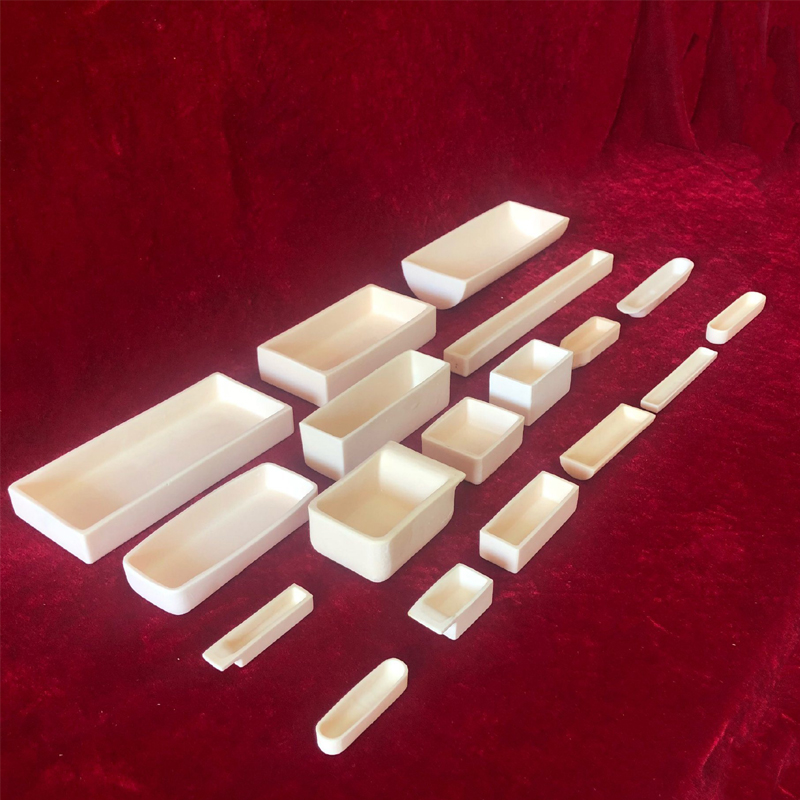
In the fields of scientific research, metallurgy, and chemical engineering, alumina crucibles have become the core containers for high-temperature experiments due to their characteristics of high-temperature resistance and corrosion resistance. How to select the most suitable model from a wide range of products? This article will analyze the key points for purchase from multiple perspectives such as material, performance, and usage scenarios, helping you make a wise decision.
I. Core Performance: Dual Assurance of High Temperature Resistance and Chemical Stability
Alumina crucibles are made from high-purity Al₂O₃ as the raw material. They can withstand long-term high-temperature environments above 1600°C, and in the short term, the temperature can even reach up to 1800°C. They have excellent chemical stability and are corrosion-resistant to most acid, alkali, and salt solutions. They are particularly suitable for melting experiments of weakly alkaline substances (such as anhydrous Na₂CO₃). However, it should be noted that strong alkalis (such as NaOH), strong acids (such as K₂S₂O₇), and HF solutions may cause reactions, and contact with them should be avoided.
II. Key Points for Model Selection: Four Dimensions Matching Experimental Requirements
Purity Grading
The purity of mainstream products in the market ranges from 60% to 99%. Alumina Crucibles with high purity (such as 99%) have stronger thermal shock resistance and are suitable for high-precision experiments or scenarios with frequent temperature fluctuations. For example, a crucible with a purity of 99% can withstand a heating rate of 5°C per minute, reducing the risk of cracking.
Size and Shape
The capacity varies from 10ml to 250ml, and it is necessary to select according to the sample volume and the space of the equipment. Cylindrical alumina crucibles are suitable for uniform heating, while square alumina crucibles provide a larger surface area and are often used for the sintering of materials. In addition, the design with a lid can prevent sample contamination, and arc-shaped containers are convenient for pouring out the molten substances.
Temperature Resistance and Thermal Shock Performance
Pay attention to the long-term service temperature and short-term limit temperature indicated on the product. For example, the 99% alumina crucible is marked with a long-term temperature of 1600°C and a short-term temperature of 1800°C. At the same time, it is necessary to note the recommended heating/cooling rate (usually ≤ 5°C per minute) to avoid cracking caused by sudden cooling and heating.
Surface Treatment and Cleaning
The design of a smooth inner wall reduces the adhesion of residues, making it easy to clean. The inner walls of some products are glazed, which further enhances their corrosion resistance. It is recommended to let the alumina crucible cool naturally to room temperature before cleaning after use to avoid thermal shock caused by the temperature difference.
III. Considerazioni sul rapporto costo-efficacia e sui fornitori
In termini di prezzo, i prodotti con elevata purezza e caratteristiche di personalizzazione hanno un costo relativamente elevato. Tuttavia, la loro durevolezza a lungo termine può ridurre la frequenza di sostituzione. È consigliabile dare priorità ai produttori che forniscono prodotti spot con più specifiche. Ad esempio, alcuni marchi supportano la personalizzazione di crogioli in allumina con forme speciali, soddisfacendo le esigenze di esperimenti specifici. Allo stesso tempo, è opportuno valutare le qualifiche dei fornitori. Dare la preferenza alle aziende che hanno ottenuto la certificazione ISO o che hanno collaborazioni con istituti di ricerca scientifica per garantire la coerenza dei prodotti e l'assistenza post-vendita.
IV. Consigli per l'uso: tecniche pratiche per prolungare la durata del crogiolo
Ispezione regolare: verificare la presenza di crepe e sostituire tempestivamente il crogiolo danneggiato per evitare incidenti sperimentali.
Conclusione
Nella scelta di un crogiolo di allumina, è necessario considerare attentamente le condizioni sperimentali (temperatura, ambiente chimico), le caratteristiche del campione (volume, reattività) e il budget. È opportuno dare priorità ai crogioli di allumina ad alta purezza, di dimensioni adeguate e di marche affidabili. Attraverso la selezione di modelli scientifici e il funzionamento standardizzato, non solo è possibile garantire l'accuratezza sperimentale, ma anche massimizzare il ritorno sull'investimento nell'attrezzatura.